
A root canal has a reputation it doesn't deserve anymore — modern technique and anesthesia make it manageable. Smile Center Dentistry uses digital X-rays and, when needed, an apex locator to treat the canal precisely.
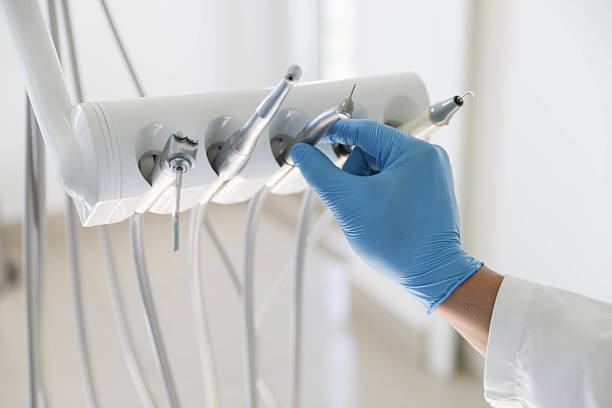
A root canal performed with the right tools and enough time has a high success rate — rushed cases are where problems happen. We'd rather take an extra ten minutes with the apex locator than leave canal length to a guess.
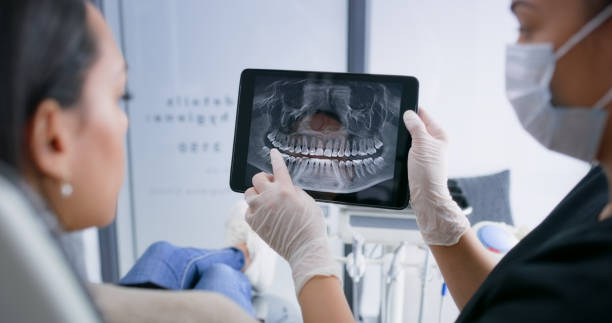
We confirm nerve involvement with digital X-rays before recommending a root canal over a filling. We'd rather over-image than under-treat a tooth that could still be saved.
Modern anesthesia techniques keep the procedure comfortable — most patients report less discomfort than expected. Comfort checks happen throughout, not just at the very start.
Infected or badly decayed teeth don't wait well, so we prioritize root canal cases for same-week scheduling. Same-week availability applies whether you're a longtime patient or calling us for the first time.
We discuss whether a crown is needed after treatment at your very first visit, not as a surprise afterward. We schedule the crown appointment before you even leave your root canal visit.
Here's what's typically involved once imaging confirms treatment is needed.
We rule out a simple filling before recommending the more involved root canal procedure. This step alone often explains pain patients couldn't previously identify.
An apex locator helps confirm exact canal length, reducing the chance of under- or over-treatment. This is the core of the procedure and where precision matters most.
A properly sealed canal is what keeps bacteria from returning to the treated tooth. We confirm the seal with a follow-up X-ray before moving to restoration.
For teeth with significant structure loss, a post-and-core buildup provides a foundation for the final crown. This step is planned before crown placement, not decided last minute.
We schedule crown placement as part of your treatment plan from the start, not as a separate afterthought. Material options are discussed based on which tooth and how much force it takes when chewing.
If a previously treated tooth becomes reinfected, we assess whether retreatment or extraction is the better path. We explain honestly whether your specific tooth is still a good save candidate.
Call +1-866-227-2801 and describe the pain — lingering sensitivity, swelling, or throbbing all point us toward the right exam.
You'll see your own X-ray and understand exactly what's happening before we recommend anything.
The canal is cleaned, shaped, and filled under local anesthesia, typically in one to two visits.
We schedule the follow-up before you leave, so nothing falls through the cracks.
"Put off calling for weeks because I dreaded a root canal. It was genuinely nothing like what I feared."
"Got in the same week I called with severe pain. Anesthesia worked well and I felt nothing during the procedure."
"Two visits total — cleaning and shaping first, crown fitted a couple weeks later. Tooth feels completely normal now."
"Pain was gone within a day of treatment. Wish I hadn't waited so long to call."
"Needed retreatment on an old root canal from another dentist years ago. They explained clearly why it had failed and what was different this time."
We confirm with digital X-rays and sensitivity testing before recommending a root canal over a simpler fix. A filling addresses surface decay; a root canal addresses infection reaching the nerve — imaging tells us which applies.
We check numbness thoroughly before starting, so pain during the procedure is rare. Post-procedure soreness is normal for a few days and manageable with standard pain relief.
We tell you which applies to your case after imaging, not as a generic estimate. We schedule the crown visit separately once the canal treatment itself is complete.
Front teeth sometimes don't need a crown; back teeth that handle more chewing force usually do. We plan crown placement into your treatment timeline from day one.
The infection can spread, cause worsening pain and swelling, and eventually require extraction instead of a save. An untreated infection can also spread beyond the tooth itself in more serious cases.
We break out the root canal and crown costs separately so you understand the full picture. Molars with multiple canals typically cost more than single-canal front teeth.
Our team serves Laingsburg and the surrounding zip codes with digital imaging on-site at every location. Whether it's your first root canal or a retreatment case, our Laingsburg team handles both in-house.
We'll confirm what's actually happening before recommending treatment.
Call +1-866-227-2801